A recent X post on the topic of the canon of Scripture caught my eye yesterday and sent me into the archives of an old defunct blog. Enjoy.
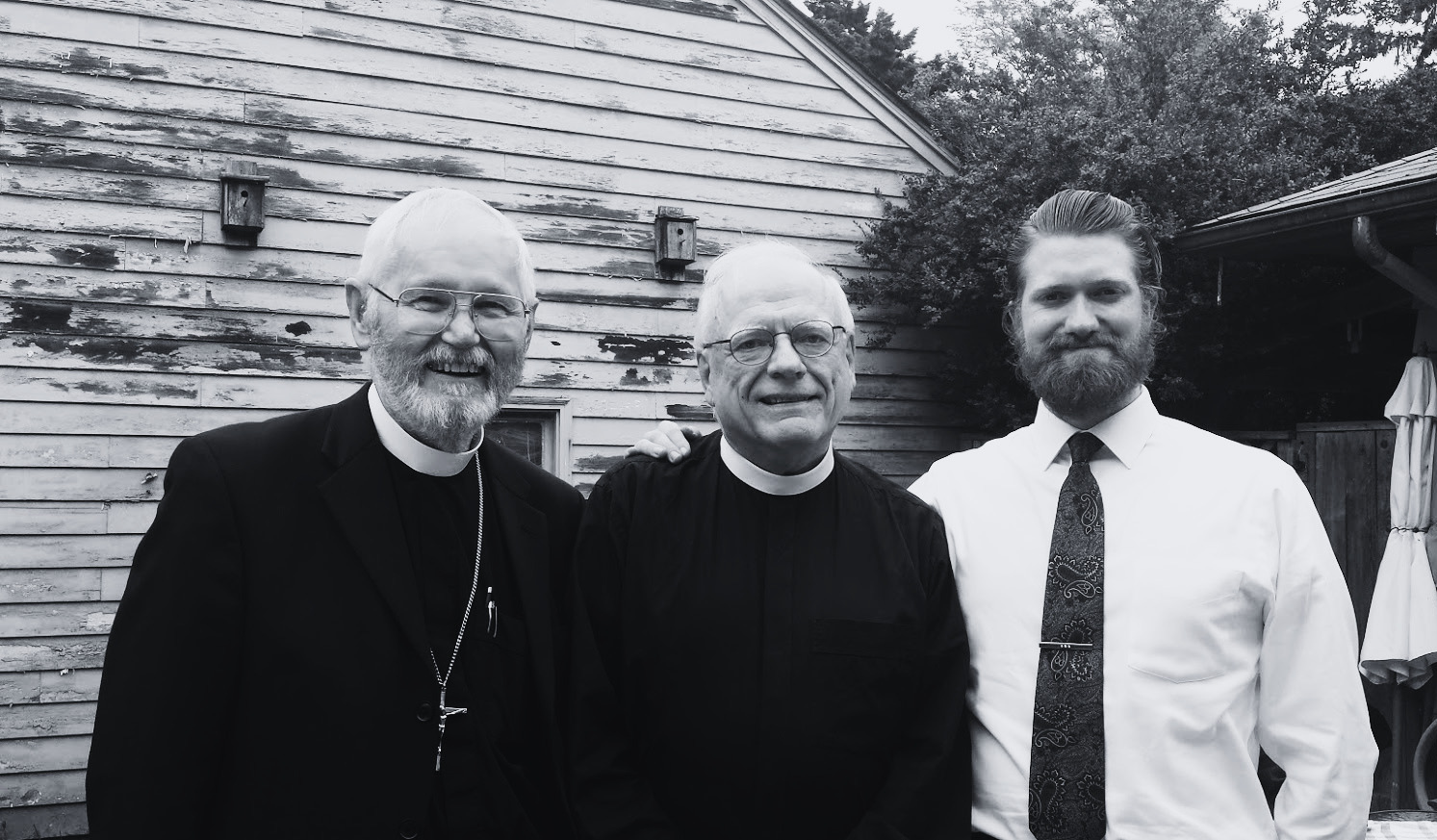
From personal email correspondence in 2012 with my most senior friend and mentor, Charles McClean, pastor of Our Saviour Lutheran Church UAC (LCMS) in Baltimore, MD.
McClean’s comments, reproduced below, were made in response to the oft-voiced contention of those under the papacy and in the Eastern communions that “the Church established the canon”, which contention I had posed to him hypothetically:
[T]he Church simply recognized the books of the New Testament as apostolic. And it is not the Church’s recognition but their apostolic origin which gives these books authority. The New Testament is the written deposit of the apostles’ teaching. The process whereby these books were recognized was untidy and in a sense reaches its completion with the 39th Paschal Letter (so called because it was the letter announcing the date of Easter) of St Athanasius as bishop of Alexandria in 367 in which the great bishop lists the 27 books of the New Testament. He does not see himself as establishing anything or promulgating some new rule or canon for he begins by saying, “Permit me to remind you of what you already know.” And the untidy process can be seen in the citations from the New Testament in the church fathers, the use of the New Testament writings as readings in the Eucharist, and in the rejection of Marcion’s list at Rome in 140 AD.
It is a remarkable fact that the Church of the Augsburg Confession has never authoritatively defined the New Testament canon but has always recognized the distinction between the homologoumena (books everywhere accepted as apostolic) and the anti-legomena (books whose apostolic origin has been questioned). This is a matter of historical fact and so can never be changed. The anti-legomena are Hebrews, James, II Peter, II and III John, Jude, Revelation. Although this theoretical distinction remains in Lutheran teaching, for all practical purposes all 27 books of the New Testament are received as canonical. The late Martin Franzmann of blessed memory (1907-1969) says, “in the last analysis, the church of God can become convinced and remain assured that they are indeed the wellsprings of salvation only by drinking of them.”1
The whole question of the papacy is yet another issue. But even many Roman Catholic scholars now admit that it was not until somewhere in the second century that one can even speak of a bishop of Rome. Until that time the Church of Rome like Corinth seems to have been led by a corporate episcopate or presbytery.
The Word of God creates the Church, the Church does not create (but can only receive) the Word of God. The Church at most recognized the New Testament writings as the apostolic witness to Christ, the Word of the Lord in written form.
Needless to say these are issues which have been endlessly debated for centuries — and the end is not yet.
- The Word of the Lord Grows: a First Historical Introduction to the New Testament. St Louis: CPH, 1961; p. 295. ↩︎

